Smart City
The role of mobile operators in tech innovations is expanding. Therefore they play a crucial role in scaling smart city solutions.
Going smart for sustainability, resilience, and efficiency
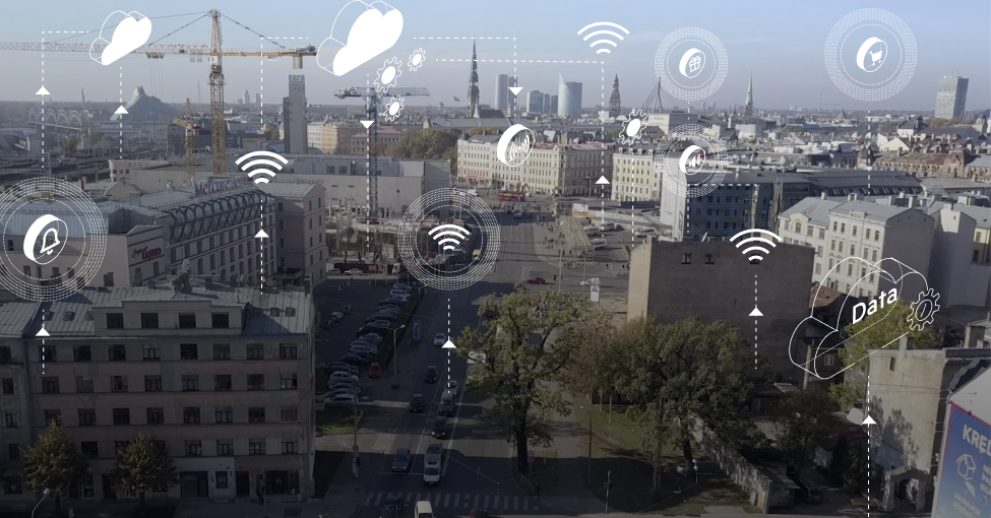
The growing global population and its ongoing migration require efficient and sustainable use of resources. A circular approach to resource use faces various challenges that smart and sustainable technological solutions can reduce. Therefore, with urban areas accounting for about 70% of global man-made CO2 emissions, cities must embrace a smart approach and strive to become a part of our planet’s sustainable future.
Additionally, climate change brings new challenges to urban areas. Increased risk of severe storms, floods, drought, and more can lead to vital disruptions in business operations and city budgets. Providing safety and reliability of cities’ operational structures is crucial in ensuring resilience, and the potential climate challenges cannot be overlooked when developing smart city initiatives.
Both urbanization and hollowing out of cities have significantly contributed to redefining the role of urban areas. It’s now more important than ever that city is a connected and sustainably functioning area, inclusive to all social groups. Thus smart city initiatives that focus on citizens’ needs are an essential commitment to urban areas’ efficiency. Besides meeting residents’ basic requirements, cities need to provide convenient services, predictive safety measures, and deliver socio-economic value.
A smart future is found in collaborative efforts
Considerate urban governance is the key to successful city development. With technology currently evolving faster than the government can adapt, integrated decision-making connecting all stakeholders is crucial. Smart city initiatives are far-reaching to everyone involved – a healthier and more inclusive environment for the residents, research opportunities for the academic community, and possibilities to develop new products and services for the private sector.
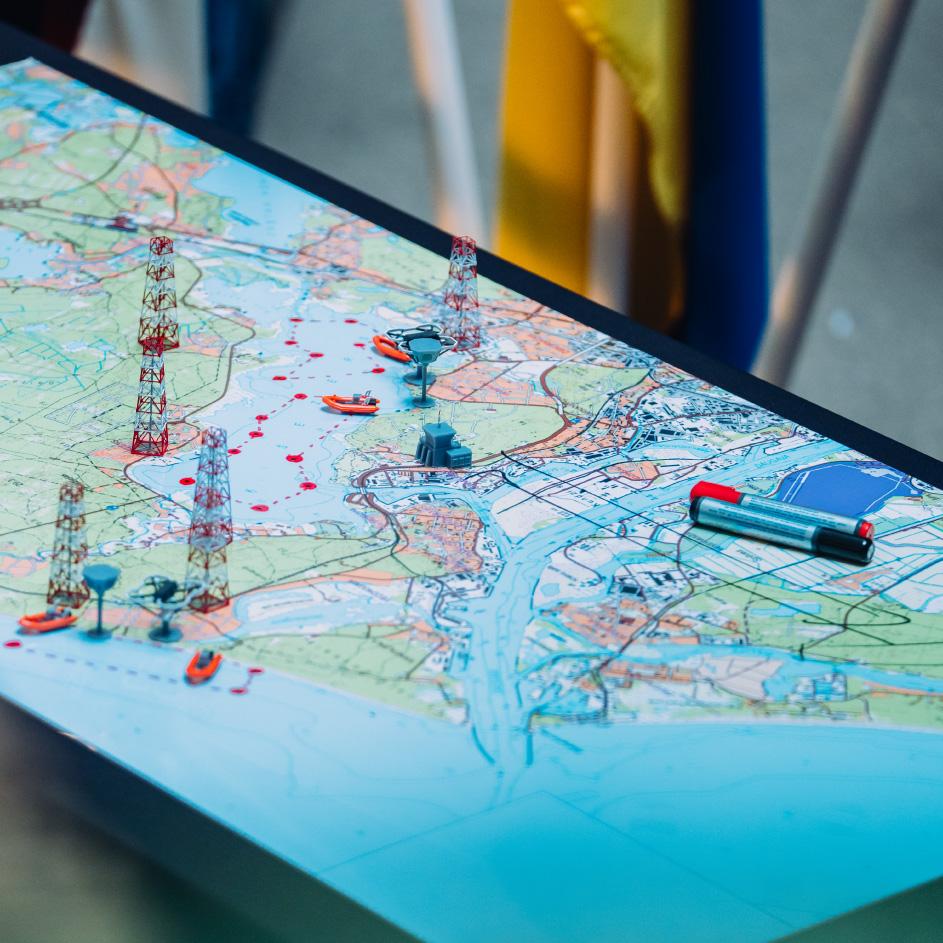
Smart city testbeds are the key to turning innovative experiments into large-scale smart solutions. Therefore, LMT is pleased to be a part of the VEFRESH innovation movement, which provides a space for testing smart city solutions, facilitates stakeholder collaboration, and aims to develop the VEF district in Riga, Latvia, into a smart city innovation territory.

From telecommunications to innovative tech solutions
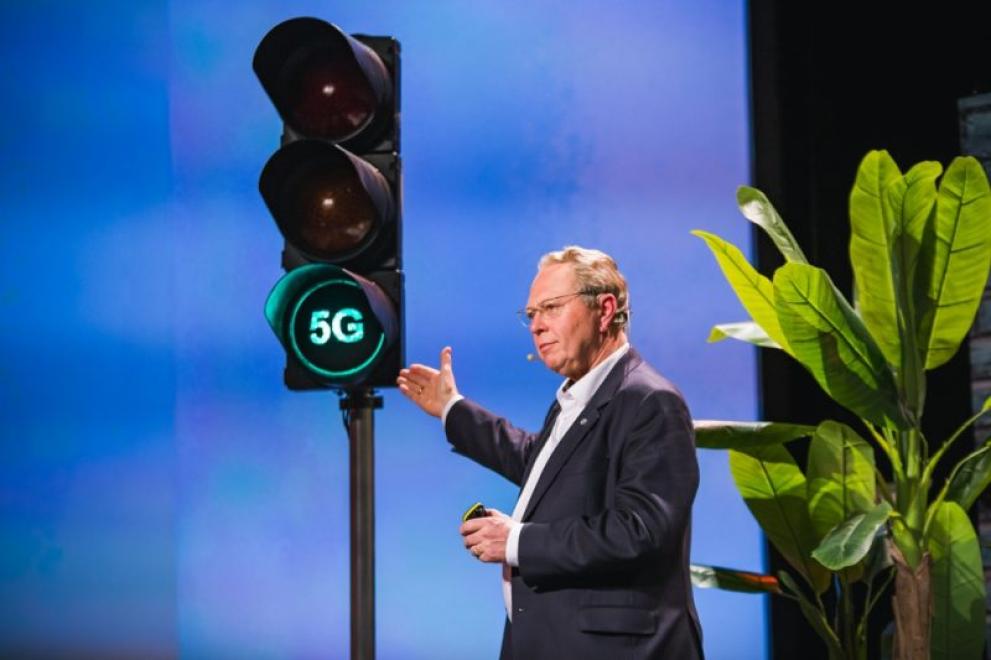
Mobile operators have ensured infrastructure that enables connectivity and city services for decades. With the 5G network, operators’ role is shifting from being telco providers to producing innovative tech solutions. Their capacity to deliver integrated and future-proof solutions is crucial in creating connected and data-driven cities.
LMT holds outstanding technological expertise that enables digital transformation. The existing infrastructure and our knowledge in processing big data make it possible to turn smart initiatives into real-life solutions. LMT is one of the first operators in the Baltic region that provides future-proof network technologies, and besides delivering connectivity, we’re eagerly developing innovative products for our clients. Therefore LMT is always open to new collaboration offers connected with smart city initiatives.
Related projects

Traffic monitoring platform
Smart City Computer Vision & Mobility
A plug-and-play platform making traffic monitoring easy and affordable – no construction required.
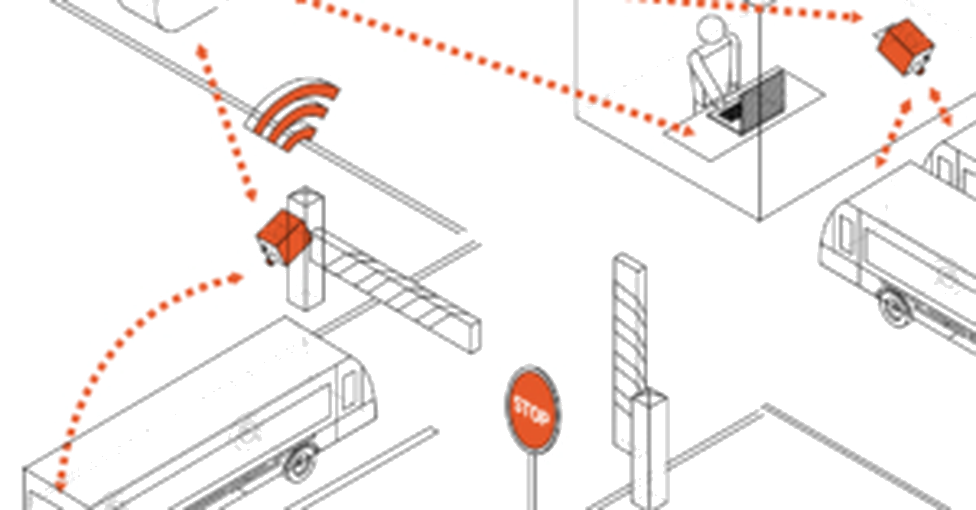
Automated bus terminal management system
Smart City Computer Vision & Mobility
LMT has developed an automated bus terminal management system that eases the terminal's workflow and eliminates human error.
Traffic monitoring platform
Smart City Computer Vision & Mobility
A plug-and-play platform making traffic monitoring easy and affordable – no construction required.
Automated bus terminal management system
Smart City Computer Vision & Mobility
LMT has developed an automated bus terminal management system that eases the terminal's workflow and eliminates human error.
Related news
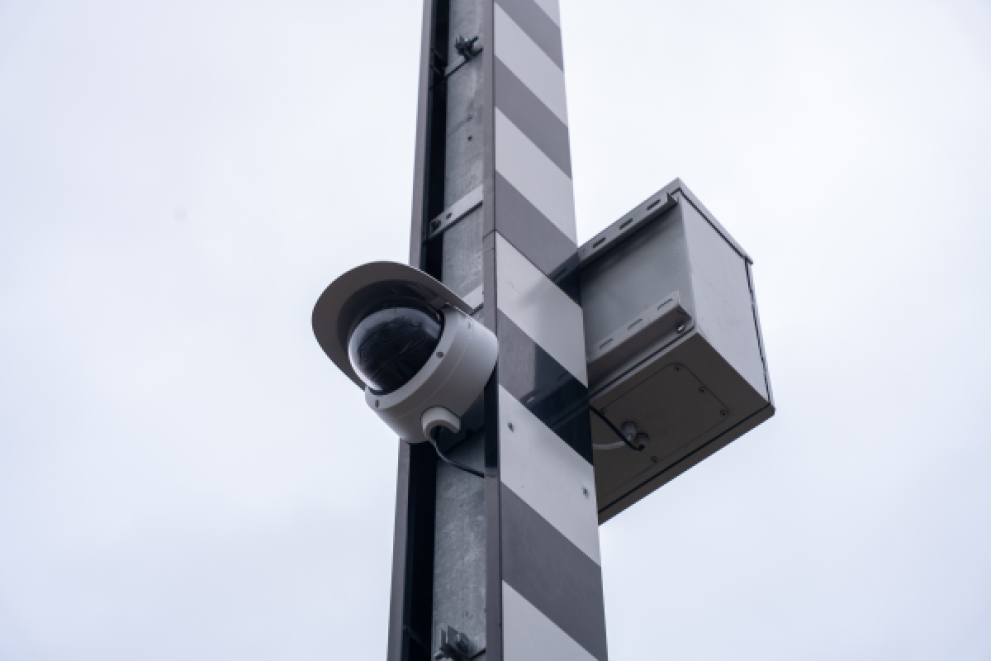
January 15, 2026
LMT expands smart traffic monitoring solutions to Gulbene
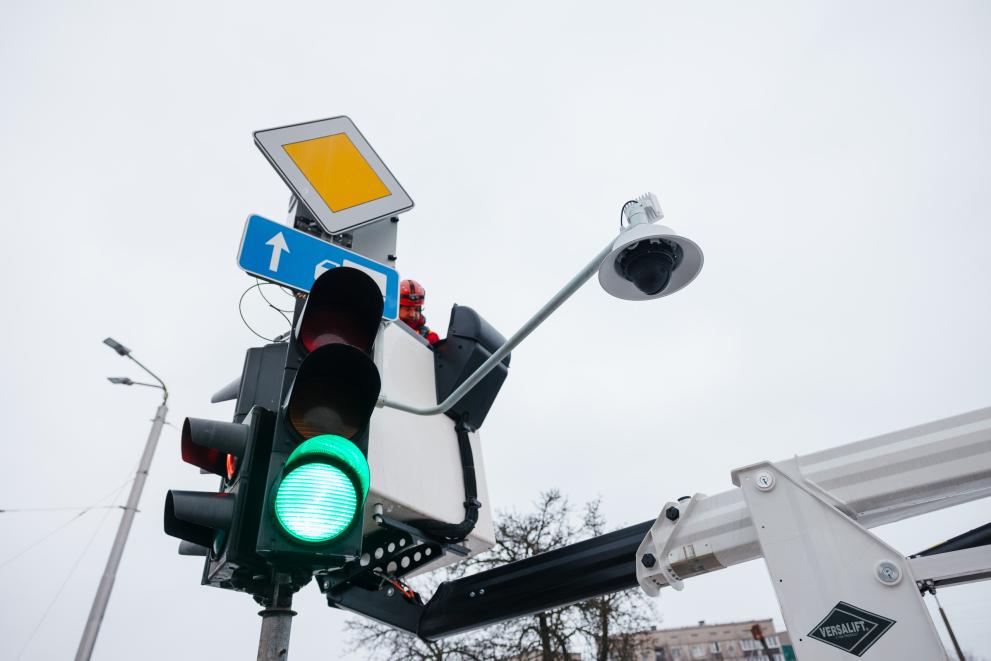
February 21, 2025
LMT installs traffic monitoring solutions in 26 locations around Riga
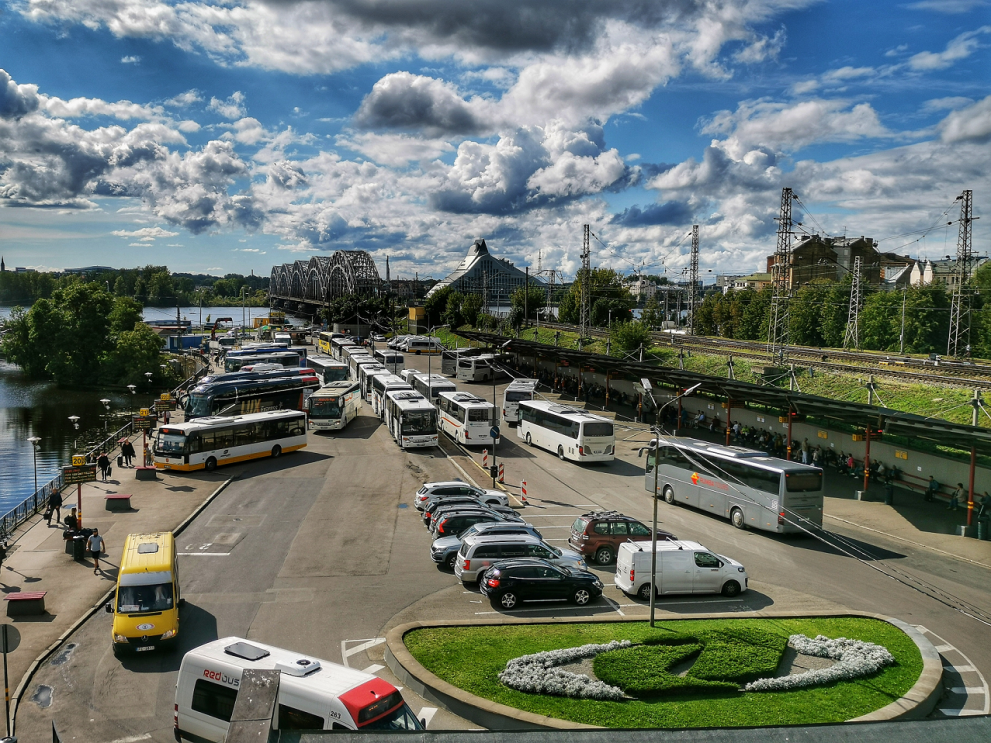
June 11, 2021
Innovative route management system at Riga International Coach Terminal
May 14, 2021
LMT participates in establishing Future mobility consortium in Latvia
Meet us
March 10, 2026 - March 13, 2026
Intertraffic 2026
Amsterdam, Netherlands
November 4, 2025 - November 6, 2025
Smart City Expo World Congress
Barcelona, Spain
October 11, 2025 - October 18, 2025
CEATEC 2025
Tokyo/Osaka, Japan
September 30, 2025 - October 2, 2025
Smart Country Convention
Berlin, Germany
September 18, 2025 - September 18, 2025
Smart City Conference 2025
Riga, Latvia
May 19, 2025 - May 21, 2025
ITS European Congress
Seville, Spain
October 17, 2021 - October 21, 2021
GITEX
Dubai, United Arab Emirates
Our team